


 English
 русский
 Español
 عربى
عربىWhat are the repair and maintenance tips for automotive sheet metal parts?
Automobile sheet metal parts are an important part of the car's structure and appearance, including doors, hoods, tailgates, fenders, bumpers, etc. These parts are not only crucial to the aesthetics of the vehicle, but also directly affect the safety, aerodynamic performance and driving stability of the vehicle. Therefore, keeping these sheet metal parts intact and performing regular repairs and maintenance is key to ensuring the long-term performance and service life of your vehicle.
This article will take you through the types, common faults, repair and maintenance techniques of automobile sheet metal parts, and help car owners understand how to properly care for their cars and avoid unnecessary losses.
Content
- 1. Common types of automotive sheet metal parts
- 2. Common sheet metal parts failures
- 3. Maintenance skills of automobile sheet metal parts
- 4. Maintenance skills of automobile sheet metal parts
- 5. How to judge whether automobile sheet metal parts need to be replaced?
- 6. What is the relationship between automobile sheet metal parts and body safety?
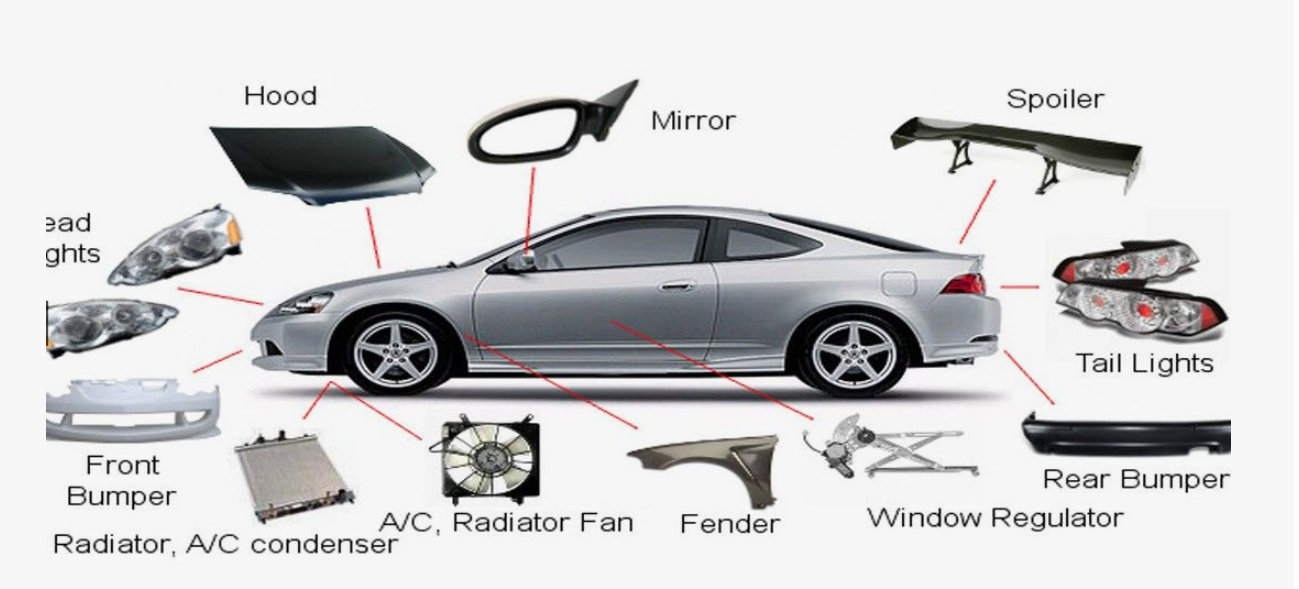
1. Common types of automotive sheet metal parts
car door
Car doors are not only used for entering and exiting the vehicle, but also carry many functions such as windows, electric curtains, and door locks. The sheet metal part of a car door is crucial to the shape of the car body, and its sealing and solidity directly affect the safety of the occupants.
hood
The hood is a sheet metal part on the front of the car that protects various important components in the engine compartment. The hood needs to be highly impact-resistant to prevent damage to the engine compartment in the event of an accident.
tailgate
The tailgate is mainly used to open the storage space at the rear of the car, especially in SUVs and cars. The design of the tailgate needs to take into account aerodynamics, storage space size and safety.
fender
Fenders are installed above car tires and are mainly used to prevent mud, water, sand and other debris from splashing, protect the vehicle chassis from damage, and keep the body clean.
bumper
The bumper is located at the front and rear ends of the vehicle. Its main function is to absorb the impact force during a collision and reduce damage to the body and passengers. The sheet metal design of the bumper usually uses high-strength steel or plastic materials to improve impact resistance.
2. Common sheet metal parts failures
Automotive sheet metal parts can develop a variety of problems over time. Here are some common types of failures:
Surface scratches and dents
External collisions, flying stones, or car washes may cause scratches or dents on the doors, hood, etc. These small scratches may not appear to affect vehicle functionality, but prolonged exposure to the outside environment will accelerate the formation of rust.
Asymmetrical door or tailgate
The doors and tailgate may become asymmetrical or fail to close properly due to repeated opening and closing or external impact. This is usually caused by loose or deformed door hinges or deformation of the vehicle body.
Poor door sealing
Aged or damaged door seals may cause water, air or noise problems. Car owners are particularly likely to notice water entering the car on rainy days or winter, which usually requires timely replacement of the seals.
hood loose
The hood may become loose during the opening and closing process due to aging hinges or body vibration, and may even fail to close completely. A loose hood not only affects the appearance, but may also affect the aerodynamics of the car.
Damaged bumper
Bumpers are often damaged in minor bumps or scratches, especially while parking. Although bumpers are designed to reduce damage from impacts, if the damage is severe, they still need to be replaced in time.
3. Maintenance skills of automobile sheet metal parts
Repair of sheet metal parts generally includes dent repair, surface scratch repair, collision damage repair, etc. Here are some repair tips for common sheet metal parts.
(1) Door and tailgate repair
Check hinges and locking points: When the door or tailgate cannot open or close normally, first check whether the hinges and locking points are loose or damaged. When the hinge is loose, it can be solved by tightening the screw or replacing the hinge.
Dent Repair: Small dents can be treated with professional sheet metal repair tools such as wire drawing tools or suction cup repair tools. Severe dents require sheet metal repair technology to flatten the damaged area, and then spray paint the surface.
Sealing strip replacement: When the sealing strip is aged or damaged, directly replacing it with a new one is the most effective repair method. When replacing, make sure the sealing strip fits well with the door to avoid water or air leakage from happening again.
(2) Hood repair
Loose repair: If the hood is loose due to impact or long-term use, first check whether the hood hinges are loose or damaged. Loose hinges need to be tightened and, if necessary, restored by replacing the hinges.
Paint repair: If there are scratches or damage caused by minor collisions on the hood, local spray painting can be used to repair it. For deeper scratches, you may need to sand and repaint to ensure a smooth finish.
Repair of damaged deformation: For the deformation of the hood caused by impact, use sheet metal repair tools (such as hooks, sheet metal hammers, etc.) to restore it to its original shape, and then perform surface repairs.
(3) Bumper repair
Minor scratches and scratches repair: Scratches on the bumper surface can be repaired with sandpaper and then spray paint. For deeper scratches, it may be necessary to fill with repair glue, then sand and paint.
Replace the bumper: If the bumper is severely damaged and its strength and appearance cannot be restored through repair, it is recommended to directly replace it with a new bumper. Choosing the right bumper replacement parts is an important step in ensuring vehicle safety.
(4) Fender repair
Crack repair: When cracks appear after the fender is damaged, plastic welding tools can be used to repair the cracks. After restoration, the surface will need to be sanded and painted to restore its original appearance.
Replace the fender: If the fender is deformed or severely damaged, directly replacing the fender with a new one is the most effective solution.
4. Maintenance skills of automobile sheet metal parts
Automobile sheet metal parts are the skeleton of the car body and bear multiple functions of protecting the occupants in the car, improving the appearance of the car and maintaining the structural stability of the car. Common sheet metal parts include doors, hoods, tailgates, bumpers, fenders, etc. These parts not only affect the appearance and use experience of the vehicle, but are also directly related to driving safety. Therefore, regular maintenance and proper care of these sheet metal parts are of vital importance to extend the service life of the vehicle and improve its performance.
(1) Clean the car body regularly
Cleaning the car body is a basic step in maintaining car sheet metal parts. If dirt, sand, salt and other dirty substances accumulate on the surface of the car body for a long time, it will not only affect the appearance of the car, but may also cause corrosion to the paint and sheet metal parts.
Cleaning tips:
Wash your car regularly: Wash your vehicle promptly in rainy, muddy weather or after driving on complicated roads. Use mild car wash liquid and a soft sponge to avoid scratching the car body.
Use a soft-bristled brush: When cleaning the car body, especially the wheels and lower sheet metal parts, it is best to use a soft-bristled brush to prevent dirt from scratching the car body.
Avoid washing your car in high temperatures: In hot weather, avoid direct water contact with the car body surface when washing your car to avoid leaving traces of water stains on the car paint.
(2) Repair small scratches and dents promptly
It is inevitable that a car will encounter some small collisions while driving, resulting in scratches or small dents on the doors, hood, tailgate and other parts. Although these minor problems do not affect the normal use of the car, long-term neglect may lead to paint aging, metal surface rust or corrosion, and even affect the safety of sheet metal parts.
Repair tips:
Repair small scratches: For shallow scratches on the car paint surface, you can use scratch repair paste or a professional car paint repair pen for simple treatment. After applying the repair paste, wipe it with a soft cloth to restore the shine to the car paint.
Small dent repair: For small dents that do not affect the body structure, you can use a suction cup dent repair tool, or send the car to a professional sheet metal repair shop for processing.
Spray paint in time: If you find deep scratches on the car body, it is best to spray paint to repair them immediately. Avoid contact of exposed metal surfaces with air to reduce the possibility of oxidation and rust.
(3) Regularly check the sealing strips
The sealing strips around sheet metal parts such as car doors and tailgates will be affected by climate change, ultraviolet rays and wear during use, and will gradually age, harden or break. Aging sealing strips will not only cause water and air leakage in the car, but will also increase noise and affect driving comfort.
Seal strip maintenance tips:
Regular inspection: Every once in a while, check whether the door, tailgate and other seals are cracked, worn or loose. Especially in rainy or humid environments, check whether the sealing strips are intact.
Clean the sealing strip: Use a soft cloth and mild detergent to clean the sealing strip regularly to prevent dust and dirt from accumulating on the sealing strip and affecting the sealing effect.
Apply silicone maintenance agent: In order to extend the service life of the sealing strip, you can regularly apply some silicone maintenance agent to keep the sealing strip soft and prevent it from aging or cracking.
(4) Avoid collisions and scratches
The sheet metal parts of automobiles are often affected by the external environment during daily driving, such as collisions with other objects and splashes when parking. While these bumps and scrapes may not seem serious, if ignored and not repaired, they may affect the appearance of the vehicle and even cause damage to the sheet metal parts, thereby affecting the safety of the vehicle.
Tips for avoiding collisions:
Park carefully: When parking, choose a spacious parking space and avoid collision with other vehicles, walls or obstacles. If possible, choose a vehicle with parking sensors to help avoid scratches.
Avoid splashing: Try to avoid driving on watery or muddy roads to avoid scratches or stains on the vehicle body caused by splashing sand.
Use body protective film: In order to better protect the car body, you can consider affixing transparent protective films to the doors, bumpers and other parts to reduce the impact of daily collisions on the car paint.
(5) Pay attention to the rust prevention of automobile sheet metal parts
Sheet metal parts are most susceptible to moisture and salt, which can lead to rust. Especially in coastal areas or places where road salt is used in winter, the vehicle's chassis and other sheet metal parts are very susceptible to corrosion. Regular anti-rust maintenance can not only extend the service life of sheet metal parts, but also maintain the appearance of the vehicle.
Rust prevention tips:
Chassis rust prevention: Regularly check the rust prevention of the vehicle chassis, wheel arches, doors and other parts, especially in humid or rainy environments. Use anti-rust spray on the chassis to prevent moisture from entering the metal surface.
Coating protection: Regularly wax the car body to form a protective film. Waxing not only prevents UV damage to the car paint, but also prevents moisture from penetrating into the surface of the sheet metal parts.
Avoid parking in a humid environment for a long time: Try to avoid parking the car in a humid or salty environment. Especially in winter, salt and moisture are more likely to accumulate at the bottom of the vehicle, increasing the risk of rust.
(6) Regularly inspect bumpers and fenders
Bumpers and fenders not only have a beautiful appearance, but also protect the vehicle body and reduce external collision damage. After long-term use, the bumper may be damaged or aged, and damage to the fender will affect the cleaning around the wheels and the protective effect of the body.
Bumper and fender maintenance tips:
Check the bumper fixing bolts: Check the bumper fixing bolts regularly to ensure they are in good tightening condition. Especially after a small collision, check whether the bumper is deformed or loose.
Clean the fenders: The fenders are exposed to mud and sand for a long time and can easily accumulate dirt. Clean your fenders regularly to avoid accumulation of dirt that could affect the appearance and performance of your vehicle.
Replace damaged bumpers: If the bumper is seriously damaged, especially if it is deformed due to a collision, replace it with a new bumper in time to ensure the safety of the vehicle.
(7) Regularly check the body paint
Body painting is not only an important part of the appearance, but also has the function of preventing corrosion. Once the paint cracks, peels, or fades, the metal parts of the car body may be exposed, causing rust and corrosion. Therefore, it is very important to maintain the paint condition of the car body.
Spray paint maintenance tips:
Repair small chips in time: If you find small chips or scratches on the car body paint, repair them in time to avoid further peeling of the paint.
Regular waxing: By waxing the car body regularly, a protective film can be effectively formed to avoid damage to the paint by ultraviolet rays, rain, etc.
Avoid strong light exposure: Prolonged exposure to strong sunlight may cause the car paint to fade. It is best to park in the shade or use a car cover for protection.
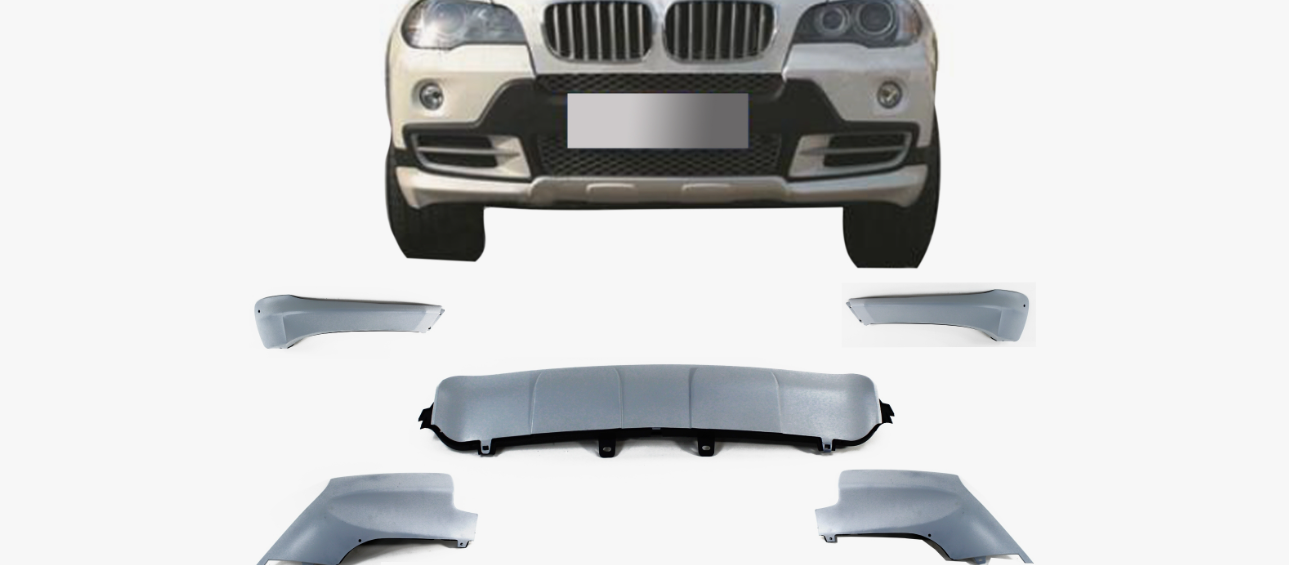
Maintenance Tips for Automotive Body Parts:
| Maintenance Task | Maintenance Tips |
| Regular Cleaning | Wash the car regularly to prevent dirt accumulation; use mild car shampoo; avoid washing under high temperature to prevent scratches. |
| Timely Scratch Repair | Use scratch repair paste or car paint repair pen for minor scratches; re-spray paint for deep scratches. |
| Check Seals | Regularly check the door and tailgate seals; clean the seals to avoid dirt buildup; apply silicone sealant to maintain tightness. |
| Avoid Collisions & Scratches | Park carefully to avoid contact with objects; use body protective film to reduce scratches; avoid driving on muddy roads. |
| Rust Prevention | Regularly inspect the chassis and body; use rust-proof spray; apply wax to form a protective layer and prevent damage to the paint. |
| Check Bumpers & Mudguards | Regularly check bumper bolts; clean mudguards to prevent dirt buildup; replace damaged bumpers promptly. |
| Inspect Paint Condition | Repair paint chips immediately; regularly apply wax to create a protective layer; avoid direct sunlight to prevent paint fading. |
5. How to judge whether automobile sheet metal parts need to be replaced?
Automobile sheet metal parts are an important part of the car body. They not only affect the appearance of the car, but also directly affect the safety and structural stability of the vehicle. Common sheet metal parts include doors, hoods, tailgates, bumpers, fenders, etc. Over time, or due to collisions, scratches, etc., sheet metal parts may suffer varying degrees of damage.
So, how do owners tell if these damages require replacement, rather than simply repairing or continuing to use them?
(1) Damage to doors and tailgates
1) Deformation of the car door
Car doors may become deformed due to impact, collision, or prolonged wear and tear. A deformed door not only affects the appearance, but may also affect the sealing and normal opening and closing of the door, causing water leakage, air leakage or the inability to lock the door properly. If the door doesn't close properly, is asymmetrical, or is severely deformed, then it's time to consider replacing it. Minor deformations can be dealt with through sheet metal repair, but severe damage will affect the structural strength and safety of the body and require replacement.
2) Functional issues with the tailgate
The tailgate has high requirements for cooperation with other parts of the car body and is usually used to open the trunk or storage space. If the tailgate cannot be opened or closed normally, or the tailgate is deformed due to impact and cannot be repaired, it is recommended to replace the tailgate. Tailgate repairs are complex and must be replaced if the damage affects safety or sealing.
(2) Damage and deformation of the hood
1) Appearance damage
The hood is one of the most visible sheet metal parts on the front of the car. It not only affects the appearance of the car, but also protects the components in the engine compartment. If there are large-scale dents, scratches or paint peeling on the surface of the hood, although it can be solved through partial repair or painting, if the damage is too severe, the original strength or appearance may not be restored after repair, so it is recommended to consider replacement.
2) Structural damage
The main function of the hood is to protect the engine compartment. Once an impact occurs, it may cause structural damage to the hood. For example, deformation or bending of the hood hinge prevents the hood from opening or closing properly. In this case, even after repair, it is difficult to restore the original strength and safety, and a new hood needs to be replaced.
(3) Damage to bumper
1) Minor collision damage
The bumper is designed to absorb impact forces and reduce damage to the vehicle body and occupants. Minor scratches or bumps usually won't cause serious damage to your bumper, but friction and wear over time can affect the appearance and functionality of your bumper. If the bumper is only superficially scratched, it can be restored by repair or repainting; but if the structure of the bumper is damaged and it can no longer perform its energy-absorbing function, then a new bumper will need to be replaced.
2) Safety considerations after serious collisions
After a serious collision, even if the bumper appears to be intact on the outside, the internal support structure may have been damaged and cannot absorb the impact energy properly, and needs to be replaced. Especially after a high-speed collision, the energy-absorbing structure of the bumper may have failed and is not suitable for continued use.
(4) Damage to the fender
1) Minor cracks and deformation
Fenders are an important part of protecting the car chassis from damage by sand, stones and other objects. When a fender develops minor cracks or deformation, the problem can be solved by repairing or replacing the corresponding parts. If the damage is minor, repair is possible. However, if the cracks in the fender are too large or the deformation is severe and cannot be restored to its original shape, it needs to be replaced.
2) Protection function fails
The main function of the fender is to prevent sediment, moisture and debris from entering the bottom of the vehicle. If the shape or fixed position of the fender changes, causing it to be unable to protect the tires and chassis properly, or even loose, then you should consider replacing it. Especially when the fenders are severely damaged and can no longer provide effective protection, failure to replace them may lead to corrosion of the chassis.
(5) How to evaluate whether replacement is needed?
1) Visual inspection and functional inspection
First, assess the extent of damage to the sheet metal parts through visual inspection. For the doors, hood, tailgate and other parts, check whether there are obvious dents, cracks, scratches, paint peeling and other problems. For components such as bumpers and fenders, check for cracks, deformation or looseness. If the damage is minor, repair can be considered, but if it affects the safety or functionality of the vehicle, it should be replaced in time.
2) Security considerations
Sheet metal parts play an important role in vehicle crash safety. Even if the appearance is not severely damaged, some sheet metal parts may not provide the protection they should after structural damage. For example, if the bumper and hood are deformed, they may not be able to properly absorb impact forces, thus affecting the safety of the vehicle. In this case, the car owner must determine whether the damage affects driving safety and replace the sheet metal parts if necessary.
3) Cost comparison of repair and replacement
The cost of repairing and replacing sheet metal parts is an important factor that car owners need to consider when making their decision. If the damage is more severe, the cost of repair may be about the same as the cost of replacement. At this time, it will be more economical and safer to choose to replace the parts with new ones.
4) Professional evaluation
When a car owner cannot determine the extent of the damage, it is best to send the vehicle to a professional repair shop or sheet metal body repair shop for evaluation. Professional technicians can give the most appropriate advice based on the extent of damage and feasibility of repair, helping car owners make informed decisions.
6. What is the relationship between automobile sheet metal parts and body safety?
There is a direct and profound relationship between automobile sheet metal parts and body safety. Body safety not only depends on airbags, electronic assistance systems and other configurations, but also depends on the design and strength of the body structure. Automobile sheet metal parts are an important part of the body structure and outer covering. Sheet metal parts, represented by car doors, hoods, tailgates, fenders and bumpers, play an irreplaceable role in collision protection, energy absorption and pedestrian protection.
(1) The overall role of automobile sheet metal parts in body safety
Automotive sheet metal parts are usually stamped and formed from steel plates or aluminum plates. They not only perform styling functions, but also have structural and safety properties. From the perspective of the entire vehicle, the sheet metal parts are connected into a complete body through welding, riveting, etc., providing sufficient rigidity and stability during driving; in the event of an accident, the impact energy is absorbed through reasonable deformation to reduce damage to occupants and pedestrians. Therefore, sheet metal parts are an important foundation for the body's passive safety system.
(2) Car door and side safety
Car doors are one of the sheet metal parts closest to the occupants, and their safety performance is particularly critical. The interior of a car door usually contains structural sheet metal parts such as anti-collision beams and reinforcement panels. In a side impact, these components can effectively resist external impacts and prevent collision objects from directly intruding into the passenger compartment. At the same time, the strength of the door structure is also related to the reliability of the seat belt fixing points and side airbags. If the door sheet metal is not strong enough or is severely deformed, the protection effect for the occupants may be weakened. Therefore, modern cars generally use high-strength steel in door sheet metal design to improve side protection capabilities.

(3) Hood, pedestrian and frontal safety
The hood is not only an important sheet metal part that covers the engine, but also plays an important role in frontal collision and pedestrian protection. In a frontal accident, the hood, front longitudinal beams, bumpers and other structures deform cooperatively, participating in energy absorption and slowing down the impact transmission speed.
In terms of pedestrian protection, the design of the hood sheet metal is particularly critical. Through reasonable thickness, structure and buffer space design, the hood can be controllably deformed when a pedestrian collides with a vehicle, reducing damage to the pedestrian's head and upper limbs. This is also one of the important requirements for sheet metal parts imposed by current automotive safety regulations.
(4) Collision safety between car tailgate and rear
As an important sheet metal part of the rear body of the car, the tailgate is related to the safety performance in rear collisions. In a rear-end collision, the tailgate and its surrounding structural sheet metal parts need to work with the rear longitudinal beam to absorb the impact energy to prevent the impact force from being directly transmitted to the passenger compartment.
In addition, the structural strength of the tailgate is also related to the safety of rear passengers and luggage compartment. If the tailgate sheet metal is too weak, it may undergo excessive deformation in a collision, affecting the overall stability of the vehicle body. Therefore, the tailgate must not only meet the requirements for opening and sealing, but also must take into account safety performance.
(5) Mudguard and auxiliary protection function
Although the fender is not the main load-bearing structure, it is also an important sheet metal part. It is mainly located around the wheels and plays a buffering and protective role in minor collisions or scratches, preventing the impact from directly acting on the body structure. At the same time, fenders can also reduce damage to the body and other sheet metal parts from sediment and gravel, indirectly improving the durability and safety of the vehicle.
(6) Bumper and energy-absorbing protection
Bumper is one of the most typical safety sheet metal parts, mainly used to deal with low-speed and medium-speed collisions. Modern automobile bumpers are usually composed of a metal sheet metal frame and energy-absorbing materials, which can absorb energy through deformation during a collision and reduce damage to the body longitudinal beams and passenger compartment.
At the same time, the bumper is also an important component for pedestrian protection. Its height, shape and stiffness will affect the collision outcome. Reasonable bumper sheet metal design can effectively reduce the degree of injury in an accident.
Sheet metal parts such as car doors, hoods, tailgates, fenders and bumpers are not just parts of the vehicle's appearance, but an important foundation for the body's safety system. They work together to protect and absorb energy in different types of collisions through structural strength, material performance and controllable deformation design. As automobile safety standards continue to improve, the role of sheet metal parts in body safety will become more prominent, and their design and manufacturing levels will also directly affect the safety performance of the entire vehicle.
-
Address
No. 6, Xinggang Avenue, Baoying County, Jiangsu Province, China
-
Tel
+86 18852528888
-
Social media account

We welcome you to visit and inspect our company on site. Looking forward to becoming your partner.
Copyright 2025 JIANGSU YARUJIE AUTO PARTS CO., LTD. All Rights Reserved Wholesale Car Body Parts Manufacturer Auto Parts Export Factory
