


 English
 русский
 Español
 عربى
عربىWhat Are Automotive Sheet Metal Parts Used For?
Content
- Automotive Sheet Metal Parts Form the Structural and Protective Backbone of Vehicles
- Vehicle Body Structure and Frame Support
- Passenger Safety and Crash Protection
- Exterior Body Panels and Aesthetic Design
- Support for Mechanical and Electrical Systems
- Corrosion Protection and Longevity
- Automotive Sheet Metal Parts FAQ
- What materials are commonly used in automotive sheet metal parts?
- Why are sheet metal parts important for vehicle safety?
- How do sheet metal parts improve fuel efficiency?
- Are automotive sheet metal parts recyclable?
- How long do automotive sheet metal parts last?
- Can damaged sheet metal parts be repaired?
Automotive Sheet Metal Parts Form the Structural and Protective Backbone of Vehicles
Automotive sheet metal parts are primarily used to build the vehicle’s body structure, protect passengers, support mechanical systems, and improve aerodynamics. They make up nearly 40–60% of a vehicle’s total body weight and are critical for safety, durability, and fuel efficiency. Without properly engineered sheet metal components, modern vehicles would lack structural rigidity, crash protection, and exterior durability.
Below is a detailed breakdown of how automotive sheet metal parts function across different vehicle systems and why they are essential in automotive manufacturing.
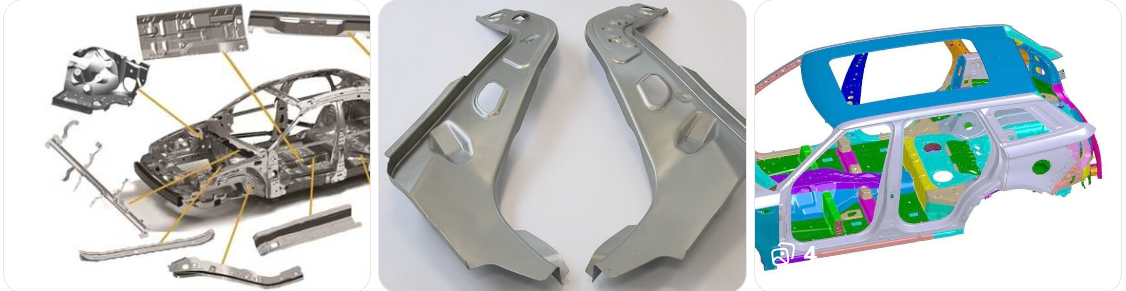
Vehicle Body Structure and Frame Support
Structural Integrity and Load Distribution
Automotive sheet metal parts such as floor pans, pillars, roof panels, and cross members create the vehicle’s structural skeleton. These components distribute loads evenly and maintain chassis rigidity. High-strength steel sheet metal can increase torsional rigidity by 20–30%, improving handling and stability.
Unibody Construction
Most modern passenger vehicles use unibody construction, where sheet metal panels are welded together to form a single structural unit. This reduces weight while maintaining strength, contributing to better fuel efficiency.
Passenger Safety and Crash Protection
Energy Absorption During Collisions
Sheet metal parts such as crumple zones and reinforcement beams are designed to absorb impact energy. Properly engineered crumple zones can reduce collision force transferred to passengers by up to 40%.
Reinforced Pillars and Side Panels
A-pillars, B-pillars, and door reinforcements made from advanced high-strength steel protect occupants during side impacts and rollovers.
Exterior Body Panels and Aesthetic Design
Automotive sheet metal parts also form visible exterior panels such as hoods, fenders, doors, trunk lids, and roofs. These components provide both structural coverage and brand-specific styling.
| Component | Primary Function | Material Type |
|---|---|---|
| Hood | Engine protection | Steel / Aluminum |
| Door Panels | Side protection | High-strength steel |
| Fenders | Wheel coverage | Steel / Aluminum |
Lightweight aluminum sheet metal can reduce vehicle weight by up to 30% compared to conventional steel panels.
Support for Mechanical and Electrical Systems
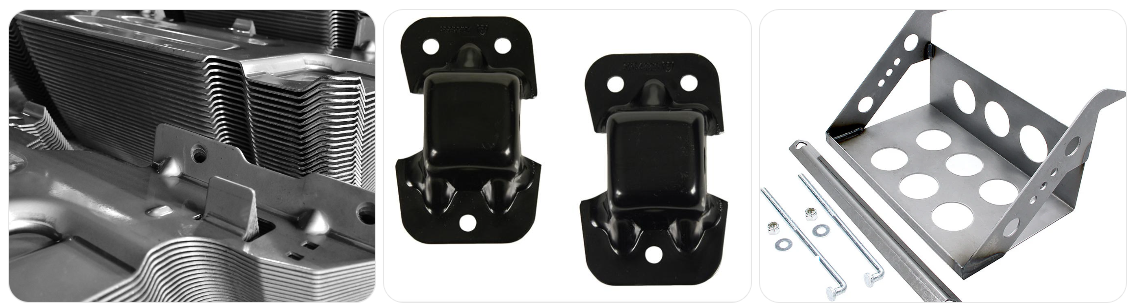
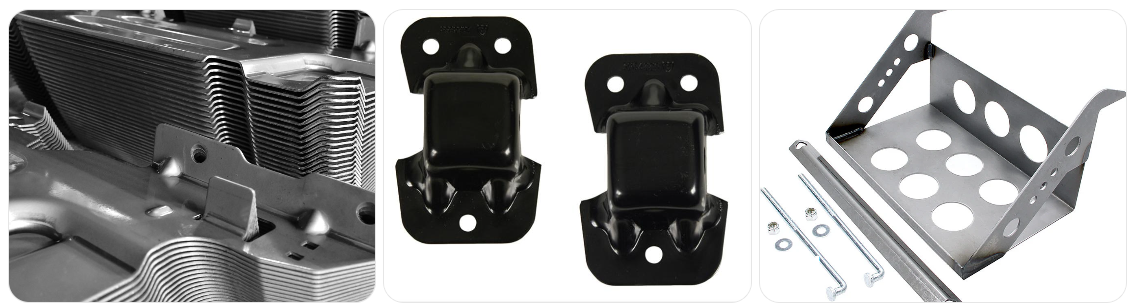
Many internal brackets, mounting plates, battery trays, and heat shields are fabricated from sheet metal. These components secure engines, transmissions, wiring systems, and fuel tanks.
- Engine mounting brackets
- Battery enclosures (especially in EVs)
- Heat shields for exhaust systems
- Underbody protection panels
In electric vehicles, reinforced sheet metal battery housings are designed to meet strict safety standards and prevent thermal propagation.
Corrosion Protection and Longevity
Modern automotive sheet metal parts are coated with galvanization, electrocoating, and anti-corrosion treatments. Proper corrosion protection can extend vehicle body lifespan to 10–15 years or more, even in harsh climates.
Rust prevention is especially critical in underbody components exposed to moisture, salt, and debris.
Automotive Sheet Metal Parts FAQ
What materials are commonly used in automotive sheet metal parts?
High-strength steel and aluminum are the most common materials due to their strength-to-weight ratio.
Why are sheet metal parts important for vehicle safety?
They create crumple zones and structural reinforcements that absorb crash energy and protect occupants.
How do sheet metal parts improve fuel efficiency?
Lightweight materials reduce overall vehicle weight, lowering fuel consumption and emissions.
Are automotive sheet metal parts recyclable?
Yes. Steel and aluminum sheet metal components are highly recyclable and widely reused in manufacturing.
How long do automotive sheet metal parts last?
With proper corrosion protection, they can last 10–15 years or longer.
Can damaged sheet metal parts be repaired?
Yes. Minor dents and panel damage can often be repaired, while severe structural damage may require full replacement.
-
Address
No. 6, Xinggang Avenue, Baoying County, Jiangsu Province, China
-
Tel
+86 18852528888
-
Social media account

We welcome you to visit and inspect our company on site. Looking forward to becoming your partner.
Copyright 2025 JIANGSU YARUJIE AUTO PARTS CO., LTD. All Rights Reserved Wholesale Car Body Parts Manufacturer Auto Parts Export Factory
