


 English
 русский
 Español
 عربى
عربىAre Car Stamped Parts the Key to Lower Cost and Higher Vehicle Performance?
Yes. Car stamped parts are essential for achieving high production efficiency, consistent quality, and cost-effective manufacturing in the automotive industry. More than 70% of metal structural and functional components in modern vehicles are produced using stamping processes, making them a core technology in vehicle manufacturing.
Content
What Are Car Stamped Parts?
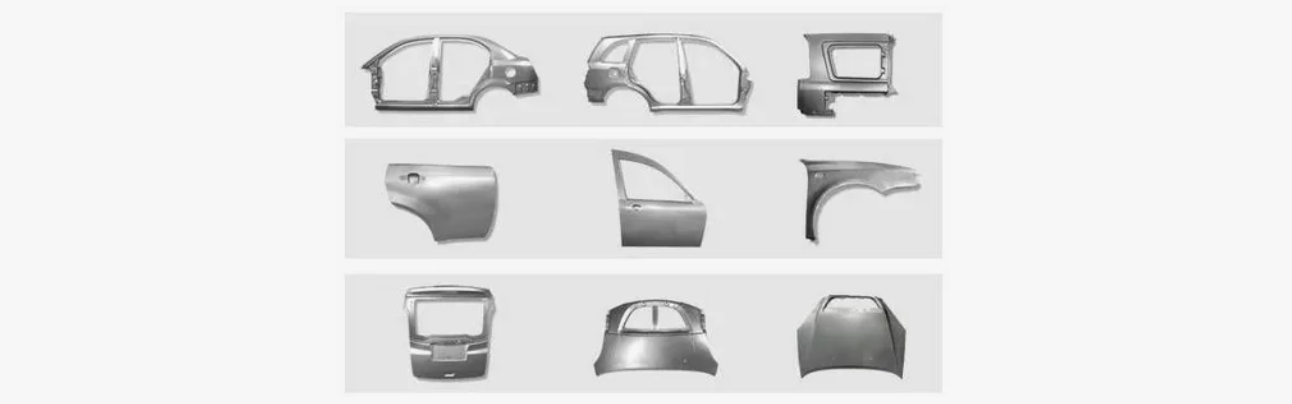
Car stamped parts are metal components formed by applying high pressure to steel or aluminum sheets using stamping dies and presses. This process enables precise shaping, high repeatability, and large-scale production.
- Body structural components such as brackets and reinforcement panels
- Chassis parts including mounts and support frames
- Interior metal fittings and seat frames
Precision stamping can achieve dimensional tolerances as tight as ±0.05 mm, meeting strict automotive quality standards.
Why Are Car Stamped Parts Widely Used in Automotive Manufacturing?
Stamped parts offer a balance of strength, weight efficiency, and production speed, making them ideal for mass vehicle production.
High Production Efficiency
A single stamping press can produce 30–60 parts per minute, significantly reducing unit manufacturing costs compared to machining.
Lightweight and Strong Structures
Advanced stamping techniques allow thinner materials with reinforced geometries, helping reduce vehicle weight by 10%–15% while maintaining structural integrity.
Which Materials Are Commonly Used for Car Stamped Parts?
Material selection directly affects durability, corrosion resistance, and cost. Automotive manufacturers choose materials based on performance requirements and regulatory standards.
| Material | Key Advantage | Typical Application |
|---|---|---|
| Carbon Steel | High strength | Chassis components |
| Aluminum Alloy | Lightweight | Body panels |
| Stainless Steel | Corrosion resistance | Exhaust system parts |
How Do Quality Control Measures Improve Stamped Part Performance?
Strict quality control ensures consistency and safety in automotive stamped components.
- Dimensional inspection using coordinate measuring machines
- Surface defect detection with automated vision systems
- Mechanical testing for strength and fatigue resistance
These measures can reduce defect rates by up to 25% in high-volume production environments.
How to Choose a Reliable Supplier for Car Stamped Parts?
Selecting the right manufacturing partner directly affects product quality and delivery stability.
- Check production capacity and equipment level
- Verify quality certifications and inspection processes
- Evaluate tooling design and customization capability
- Review delivery performance and logistics support
Reliable suppliers typically achieve on-time delivery rates above 98%, ensuring stable supply chains for automotive manufacturers.
FAQ About Car Stamped Parts
What is the average lifespan of car stamped parts?
When properly designed and treated, most stamped automotive components can last 10–15 years under normal driving conditions.
Can car stamped parts be customized?
Yes. Custom stamping dies allow precise control over shape, thickness, and hole patterns to meet specific vehicle platform requirements.
Are stamped parts environmentally friendly?
Yes. Metal stamping has material utilization rates above 85%, and most scrap metal can be fully recycled, reducing environmental impact.
-
Address
No. 6, Xinggang Avenue, Baoying County, Jiangsu Province, China
-
Tel
+86 18852528888
-
Social media account

We welcome you to visit and inspect our company on site. Looking forward to becoming your partner.
Copyright 2025 JIANGSU YARUJIE AUTO PARTS CO., LTD. All Rights Reserved Wholesale Car Body Parts Manufacturer Auto Parts Export Factory
